At the end of 2022, the Consolidated Appropriations Act was passed, which included a retirement bill known as SECURE Act 2.0. This law was built upon the original SECURE Act legislation passed in 2019.
These days, requests for charitable donations are a year-round occurrence. Whether it’s giving money after a natural disaster, a request from your alma mater, or simply being asked whether you want to “round up” at the checkout line, there are endless opportunities to give.
It’s no secret that this year has been full of market and economic uncertainty. Inflation, the Fed, geopolitics and more continue to be on most of our radars.
As part of President Biden’s recently passed Inflation Reduction Act, homeowners have a great opportunity to make energy-efficient upgrades to their home while saving money in the process.
With high inflation, the Federal Reserve raising interest rates, and the economy contracting for two consecutive quarters, the possibility of a recession doesn’t seem far-fetched.
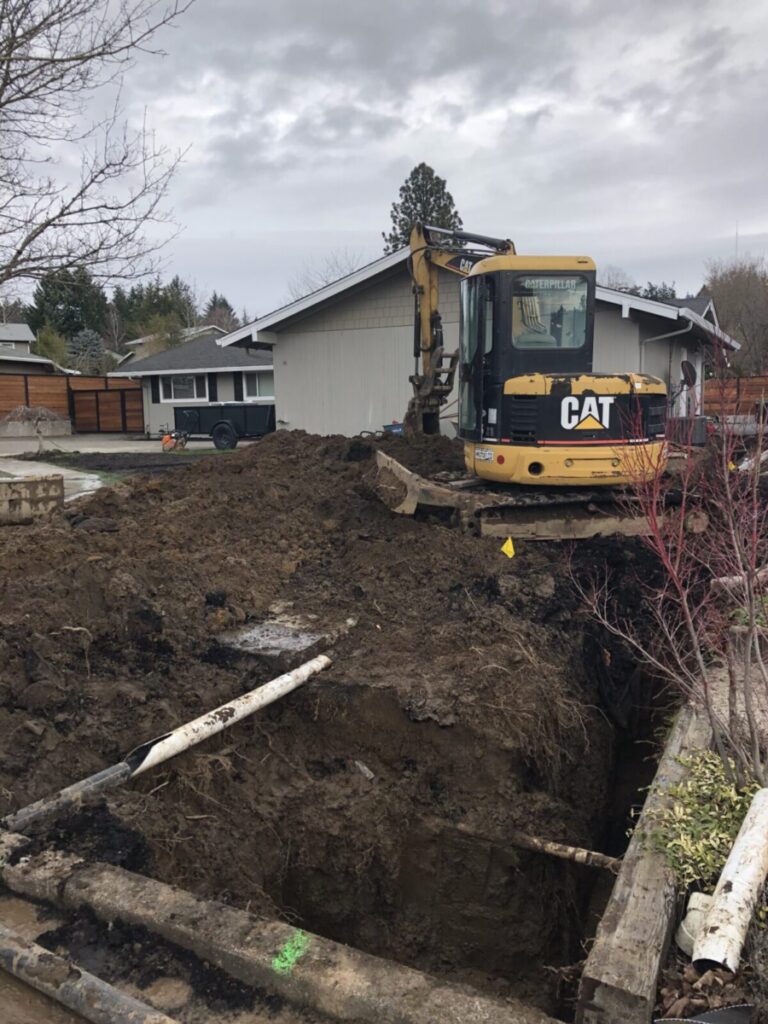
Anika was humbled when respected financial journalist and veteran Wall Street Journal writer Jonathan Clements asked her to contribute a chapter to his new book, My Money Journey. In it, she details some personal obstacles and financial bloopers, including the money pit above.
We’re all aware of the importance of having legal documents in place, such as a will or trust and advance directive. While your intentions for personal assets like grandma’s engagement ring or your childhood baseball card collection may be clearly spelled out, most people have given little thought to the legacy of their digital assets.
The average age of a vehicle on American roads reached a new record of 12.2 years in 2021. Advances in quality and technology may be partly responsible for people hanging on to their vehicles longer than ever before. Shortages in new and used cars, combined with record high prices at the car lot, may also be partly to blame.